
Over the last five years ISO 9001 has been whispered across the Healthcare Industry, as the latest

The second
question Healthcare Professionals ask is, “How is ISO going to change what the
others haven’t accomplished?” The answer
is management has to stop putting out the fires of the past and install a sustainable
system to identify and control fires before the smoke can be seen on the horizon.
 When an
organization does not have a strong quality business management system supporting
the activities and processes of their organization, top management has
relegated themselves to putting out fires from the past. One CEO stated, “The best thing about ISO is
we have to get creative in current mistakes, because the issues/fires of the
past are gone.” Organizational
committees, management oversight committees, executive councils and board of
directors have found themselves comfortable in their role as fire fighters.
What if we could install an early warning system when and where the fires were
igniting? What if we began to put the
fire hose into the hands of our process owners to extinguish the fire before it
requires involvement and resources from top management?
When an
organization does not have a strong quality business management system supporting
the activities and processes of their organization, top management has
relegated themselves to putting out fires from the past. One CEO stated, “The best thing about ISO is
we have to get creative in current mistakes, because the issues/fires of the
past are gone.” Organizational
committees, management oversight committees, executive councils and board of
directors have found themselves comfortable in their role as fire fighters.
What if we could install an early warning system when and where the fires were
igniting? What if we began to put the
fire hose into the hands of our process owners to extinguish the fire before it
requires involvement and resources from top management?
Initial
implementation of ISO 9001 installs an early warning and control mechanism to
ensure issues
 within the organization no longer get out of control. They begin
to place these early fire warning devices across their organization based on
the risk and impact to the patient, to highly susceptible processes, potential
financial loss or gain centers, and even areas where the organization may be in
jeopardy of legal, statutory or regulatory findings. One of the most exciting evolutions in this
system is top management is no longer the only ones identifying fires. The entire organization is tasked with
sounding the alarm and the front line process owner is able to extinguish the
flare up before top management ever arrives on the scene.
within the organization no longer get out of control. They begin
to place these early fire warning devices across their organization based on
the risk and impact to the patient, to highly susceptible processes, potential
financial loss or gain centers, and even areas where the organization may be in
jeopardy of legal, statutory or regulatory findings. One of the most exciting evolutions in this
system is top management is no longer the only ones identifying fires. The entire organization is tasked with
sounding the alarm and the front line process owner is able to extinguish the
flare up before top management ever arrives on the scene.
In ISO
language we call this top management responsibility for establishment of the
quality management system, effective goals and objectives, corrective action
and management review. ISO drives an
organization even further in the development of processes that can actually
detect and extinguish fires (issues) before they even flare up.
As an
organization’s quality management system begins to mature, the natural growth
is reflected in the organizations ability to install applications of control
for all the past fires across the entire organization.
Top
management reports not only identify the issues and problems within the
department, but also the
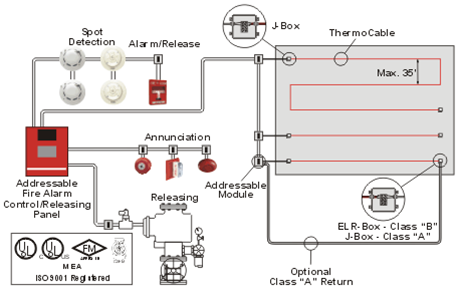 solution and application of control applied. This
reporting would provide confidence that the issue will not reappear. Instead of a fire brigade of a dozen
(management team) now we have a virtual army of fire fighters. In ISO language top management has
established the goals and objectives of the organization. Process or department managers now measure
and monitor their process to do their part to see the organizational objectives
are achieved. This information is used
on the department or process level to implement corrective action, analyze for
future potential issues, and plan to eliminate fires of tomorrow. With the loss
of top management’s firefighting duties, more time is available to lead the
organization into the future.
solution and application of control applied. This
reporting would provide confidence that the issue will not reappear. Instead of a fire brigade of a dozen
(management team) now we have a virtual army of fire fighters. In ISO language top management has
established the goals and objectives of the organization. Process or department managers now measure
and monitor their process to do their part to see the organizational objectives
are achieved. This information is used
on the department or process level to implement corrective action, analyze for
future potential issues, and plan to eliminate fires of tomorrow. With the loss
of top management’s firefighting duties, more time is available to lead the
organization into the future.
Finally a
fully mature quality management system has reached the point where systems are
set in place to identify current potential failures and the risks associated
with them. Top management now relies on
their staff to firefight and they now look to the future for the success of the
organization, not the maintenance of the organization. The ISO standard in its fullest
implementation is a system of risk (fire) identification, risk control, risk
mitigation, risk prevention and risk preparation.
Why do
ISO? Healthcare needs a sustainable
system of risk management because healthcare inherently has great risk.

